Source Merbau Flooring for Homes, Offices, and Gyms
Explore 30 merbau flooring options featuring solid wood construction, waterproof coatings, and tongue-and-groove joints. Compare specifications from Indonesian and Chinese origins to find suitable solutions for household, commercial, and sports applications; compare the available evidence and request quotations based on your requirements.
Key considerations
Products List


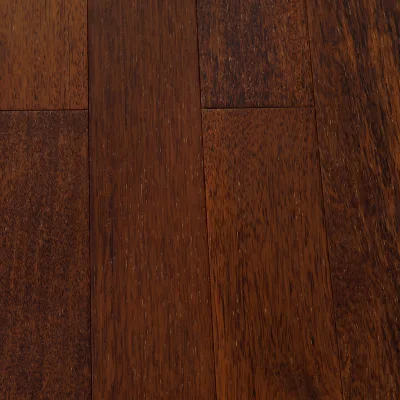


Comprehensive Sourcing Guide
Merbau Flooring Sourcing Guide
Merbau flooring occupies a distinctive position in the solid wood flooring category: a dense, richly colored hardwood suited to both household and commercial installation, offered by exporters across Indonesia and southern China. For procurement teams, the material presents an attractive balance of dimensional stability, warm red-brown tone, and availability in both solid and multi-layer engineered constructions. However, the listing landscape is fragmented — product pages mix solid planks, engineered boards, and even accessory items under closely related keywords, so disciplined specification review is essential before engaging suppliers.
This guide is written for buyers evaluating merbau flooring listings on B2B marketplaces. It walks through the product scope signals visible in typical listings, the technical attributes that must be confirmed in writing, the compliance documentation worth requesting, the commercial levers that shape landed cost, and the qualification and long-term monitoring practices that separate reliable partners from risky ones. Throughout, the emphasis is on verification: listings describe what a supplier can produce, not necessarily what is sitting in finished inventory.
Product Scope and Observed Listing Signals
The observed listings span several distinct product families that buyers should not conflate. Solid merbau flooring appears in formats such as 18 mm planks at 90–125 mm widths with lengths of 300–1200 mm, supplied with tongue-and-groove or click joint systems. Engineered constructions appear with multi-layer builds and thinner merbau wear layers, such as 14/3 mm and 15/4 mm specifications, also in the 125 mm width class. Model references like SMF17, SMF09, SMF04, EMF06, and CL-6008 TG indicate that suppliers maintain cataloged product lines rather than purely made-to-order output — useful when comparing continuity of supply.
Stated attributes across the listings provide a useful baseline for screening. Common signals include CE certification claims, wood grain surface treatments, UV lacquer or natural oil coatings, E-function waterproof environmental standard references, and declared moisture content of 8–10% or 10–12%. Origins split between Indonesia and Guangdong, China, which affects both lead time and species sourcing narratives. Stated price observations range widely, from roughly $1.30 to $66.90, and listed minimum order quantities from 100 to 2,800 units — a spread wide enough that buyers must treat every quote as construction-specific.
Technical Specifications to Verify
Structural specifications deserve line-by-line confirmation. Verify total thickness against the wear layer for engineered boards: a 14/3 mm or 15/4 mm designation should be documented as total thickness over merbau veneer thickness, and solid boards confirmed at the stated 18 mm. Confirm plank width, length range, and edge profile — micro bevel edges are listed and affect the visual seam line after installation. Joint type matters operationally: tongue-and-groove boards are typically glue-down or nail-down installations, while click systems enable floating installation; mismatched assumptions here create site rework.
Moisture content and coating should be locked into the purchase contract. Listings declare 8–10% and 10~12% moisture ranges; ask which value applies to your destination climate and request batch measurement records, since merbau shipped to a dry interior climate from a humid origin is the classic case for gaps and cupping. For finishes, distinguish UV lacquer from natural oil — they imply different maintenance regimes and recoating compatibility. Functional claims such as waterproof, soundproof, and anti-static behavior should be tied to a defined test method, because as written they are marketing descriptors rather than measurable acceptance criteria.
Compliance and Safety Documentation
Start formaldehyde and emissions verification with the environmental standard references visible in listings. Some pages cite an "E" classification framework alongside waterproof function claims, but the class level is not always stated; request the actual test certificate identifying the emission class, the testing laboratory, and the sample date. CE marking appears in the certification fields of observed listings — ask what the CE declaration covers, since for flooring it typically relates to specific declared performance characteristics, and a blanket CE claim on a product page is not a substitute for the declaration of performance itself.
Species legality and origin documentation form the second documentation pillar. Merbau (Intsia species) has well-known sustainability sensitivities, so request harvest documentation, chain-of-custody evidence, or the supplier's legality licensing appropriate to the declared origin in Indonesia or China. Buyers subject to import regulations on timber legality should confirm what paperwork the supplier routinely issues for customs clearance in destination markets. Finally, if the boards carry fire-reaction, slip-resistance, or acoustic claims for commercial projects, insist on project-specific certificates rather than generic category statements — commercial and sports applications are cited in listings and each carries distinct acceptance testing.
Cost Drivers and Commercial Terms
Price dispersion in the observed listings — from low single-digit dollars to nearly $67 — reflects construction differences more than supplier margin. Engineered multi-layer boards with a thin merbau veneer sit at the accessible end, while wide solid 18 mm planks command a premium. Specification choices drive cost in predictable directions: width, length mix, coating (UV lacquer versus natural oil), joint system, and customized processes such as scratch-resistant treatments or matte finishes all add process cost. Request itemized quotations so each specification option is priced separately rather than bundled into a single figure.
Commercial terms require equal discipline. Listed MOQs range from 100 to 2,800 units, so clarify whether the quoted MOQ applies per model, per color, or per order, and what flexibility exists for mixed-SKU orders. Packing is typically carton plus pallet, with some listings specifying white-label carton packaging — confirm carton print, pallet dimensions, and container loading calculations in writing. Payment terms, production lead time, and validity of the quoted price against raw material movement should each be documented. Customization is widely offered, but custom waterproofing processes and custom finishes usually carry longer lead times and higher MOQs than catalog products.
Supplier Qualification and Quality Control
Qualify suppliers against the consistency of their technical documentation, not their listing volume. A strong candidate can state species, construction, moisture content target, coating system, joint type, and installation method without ambiguity, and can produce test reports matching those declarations. The observed listings already distinguish themselves this way — some declare grade, moisture range, and edge treatment in detail, while others offer only broad functional claims. Prioritize the former. Verify production capability by asking which specifications are stock programs versus made-to-order, using the model references (SMF, EMF series) as anchors for that conversation.
Define a pre-shipment inspection protocol before the first order. Reasonable checkpoints include moisture measurement across the batch, grading and color-sorting review against an approved sample, wear layer and total thickness verification on engineered boards, coating adhesion and appearance checks, and profile assembly tests on the tongue-and-groove or click joint. Establish a signed, sealed reference sample as the arbitration standard, and agree on how minor color variation — inherent in a natural red-brown species like merbau — will be accepted or rejected. For first orders, consider third-party inspection at loading, especially when ordering customized finishes where rework costs are highest.
Long-Term Procurement Checks
Sustainable supply of merbau flooring depends on continuity of raw material, so make sourcing transparency part of the ongoing relationship. Ask how the supplier manages species procurement from Indonesia or through Chinese processing, and whether declared origin can be maintained consistently across seasons. Reconfirm specifications annually: moisture targets, coating formulations, and grading rules drift over time, and a supplier who cannot match the original reference sample after a year is signaling process instability. Keep model-level records — SMF17, EMF06, and similar references — so repeat orders are traceable to the exact approved build.
Operational monitoring should extend into the installed life of the product. Track field performance for gap formation, coating wear, and joint integrity, particularly for glue-down solid installations and click-system engineered boards in commercial settings. Maintain a claims process with defined response times and photographic evidence standards, and review defect rates per shipment rather than per order to expose trends. Finally, review the commercial relationship periodically: MOQ flexibility, lead-time reliability, and willingness to support customized waterproofing or scratch-resistant processes are better predictors of a durable partnership than headline pricing. Renegotiate terms with data from your own shipment records.
FAQs
What sizes and specifications are typical for merbau solid wood flooring?
Typical merbau solid wood flooring comes in sizes such as 18*90/125*300-1200mm, with engineered variants in 15/4 and 14/3 layer constructions at 125mm widths. Boards are finished with UV lacquer or natural oil, use tongue and groove or click joints, and carry 8-12% moisture content. Confirm the exact model, such as SMF17 or SMF09, before ordering.
Can merbau flooring be customized in finish or surface treatment?
Yes, customization is available on listed merbau flooring, including custom waterproofing processes, scratch-resistant treatments, and matte finishes. Standard surface treatments include wood grain textures with UV lacquer or natural oil coatings. Discuss your finish, thickness, and width requirements with suppliers early, since customized processes may affect minimum order quantities and production lead times.
How is merbau flooring installed in residential and commercial projects?
Merbau flooring supports glue-down and nail-down installation methods with tongue and groove joints, and some products also offer click systems. Solid boards are generally nailed or glued over suitable subfloors, while multi-layer engineered boards offer more flexibility. Ensure indoor subfloors are level and dry, and confirm the recommended method for the specific product model you select.
What functions does merbau flooring offer for household use?
Listed merbau flooring products offer waterproof, soundproof, and anti-static functions, making them suitable for household and commercial indoor applications. These performance characteristics depend on the board construction and coating, such as UV lacquer finishes. For areas with higher moisture exposure, request the customized waterproofing process and verify treatment details before confirming your order.
Which certifications and environmental standards apply to merbau flooring?
CE certification is listed for these merbau flooring products, and boards meet environmental requirements with controlled moisture content of roughly 8-12%. Grade A solid wood material and multi-layer constructions are specified across the range. Ask suppliers for current certification documents and test reports for the specific batch, since certificate scope can vary between factories and product lines.
How is merbau flooring packed and what are the minimum order quantities?
Merbau flooring is packed in cartons on pallets, with some listings offering white packaging cartons. Minimum order quantities on the listings range from 100 to 2800 square meters depending on the product and specification. Packaging style and order size can often be negotiated, so confirm carton labeling, pallet dimensions, and total volume requirements with your chosen supplier.
Where is merbau flooring produced and what origins are available?
Listed merbau flooring products originate from Indonesia and Guangdong, China, reflecting the main production hubs for this species. Merbau is a dense hardwood well suited to solid and engineered flooring, and processing location affects coatings and specifications offered. When comparing options, factor in origin alongside certification, customization capability, and shipping logistics for your destination market.